




Media practitioners from more than 41 countries from Asia Pacific region gathered virtually for a high-level webinar focused on transforming the narrative of road safety coverage from routine accident reporting to a public health priority.
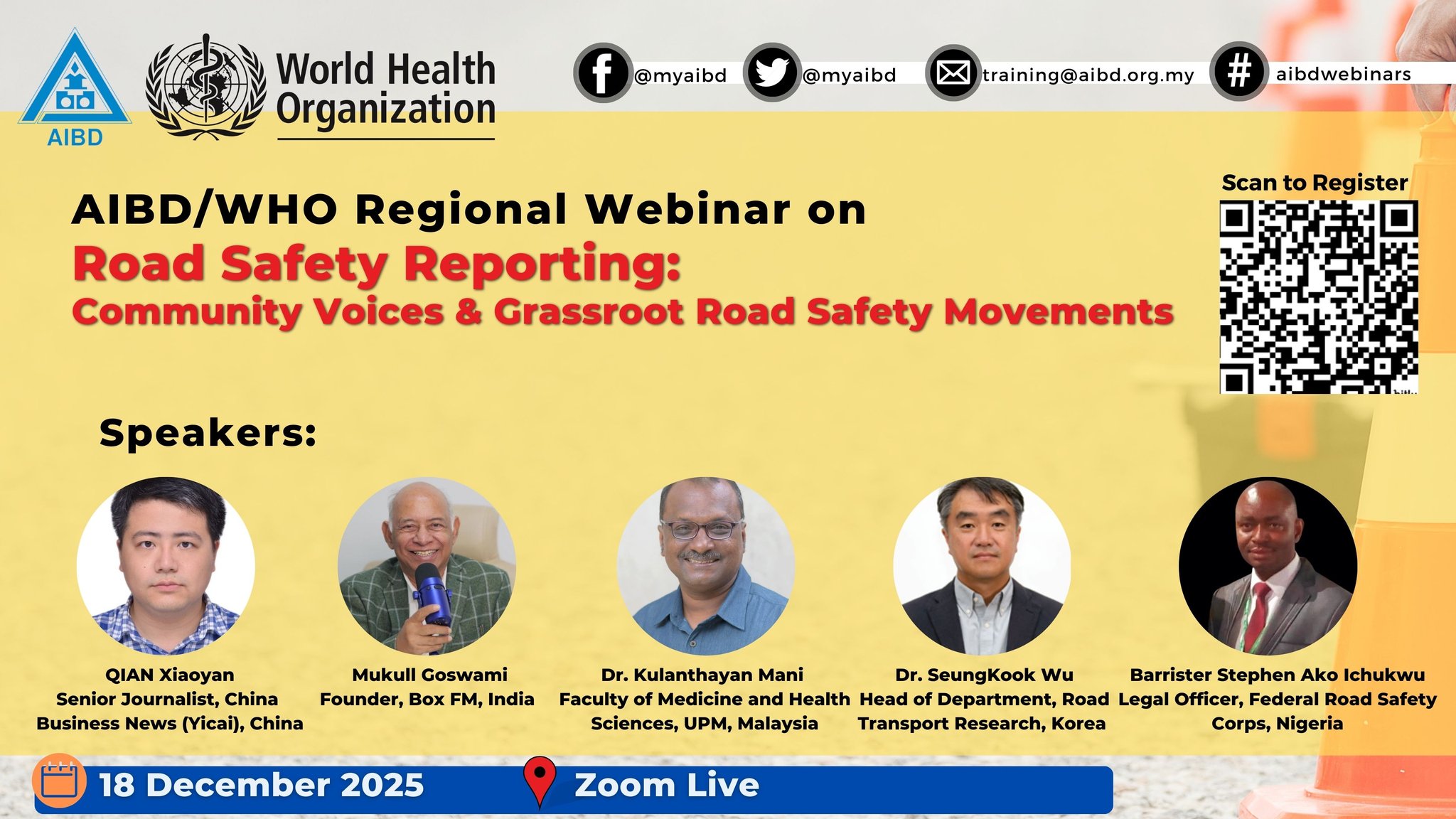
The event, held Dec. 18, 2025, was the final online series from the collaborative effort between AIBD and WHO, aimed at equipping journalists with the data and legal frameworks necessary to save lives through informed storytelling.
Representing AIBD secretariat, Nabeel Tirmazi opened the session by mentioning that this webinar aims to bridge the gap between technical data and public understanding by featuring a diverse panel of experts from China, India, Malaysia, South Korea, and Nigeria.
Qian Xiaoyan, a senior journalist from China Business News (Yicai), led the presentations by detailing the role of business and economic reporting in road safety. Qian highlighted how infrastructure investment and vehicle safety standards are not just technical issues, but economic ones that require rigorous investigative journalism.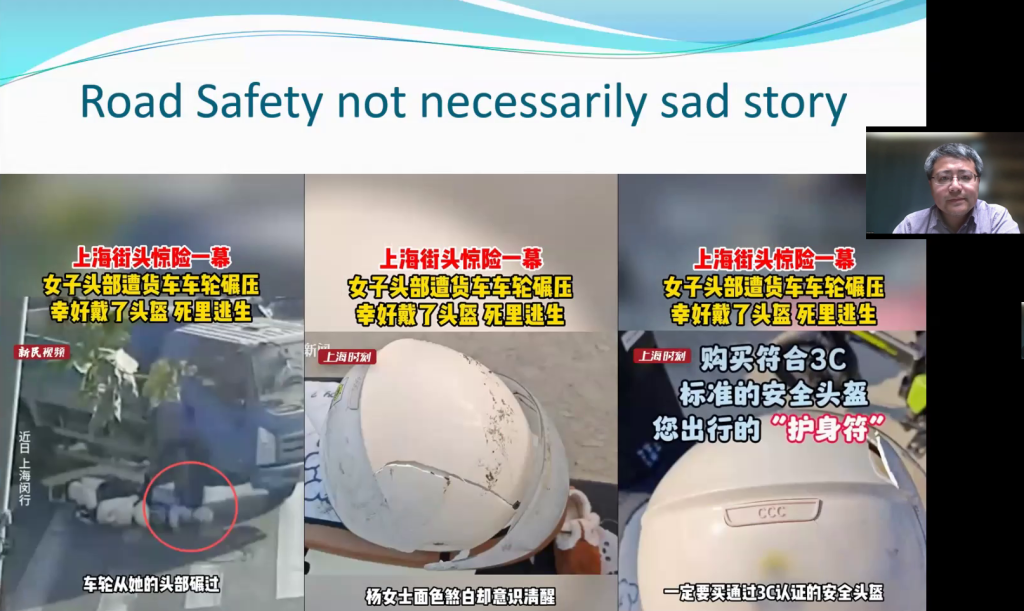
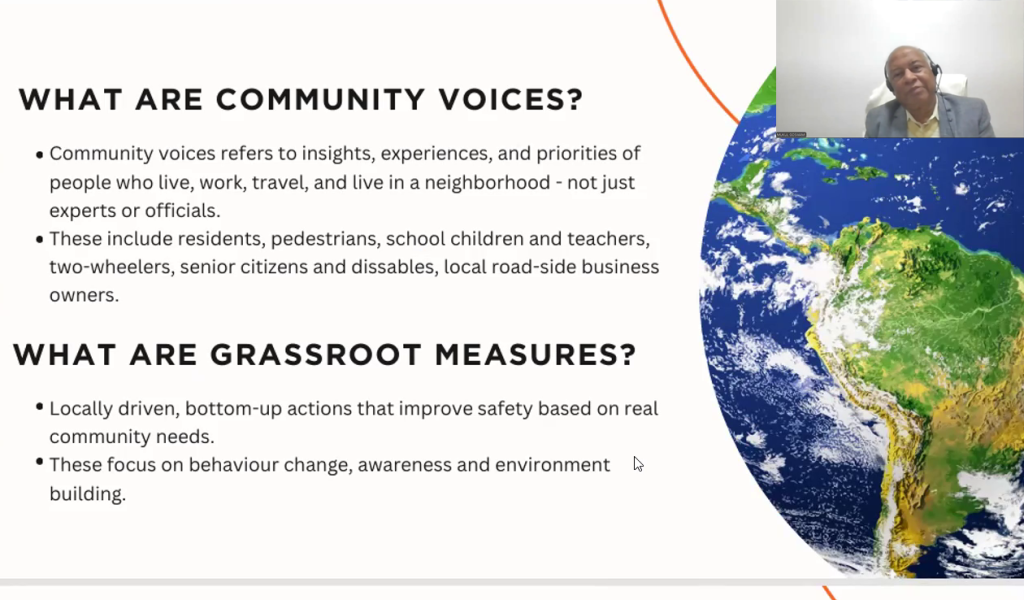
The human element of the crisis was brought to the forefront by Mukul Goswami, a community media specialist and founder of Box FM in India. Goswami argued that local radio and community-based media are the most effective tools for reaching rural populations, where road safety education is often most needed but least accessible.
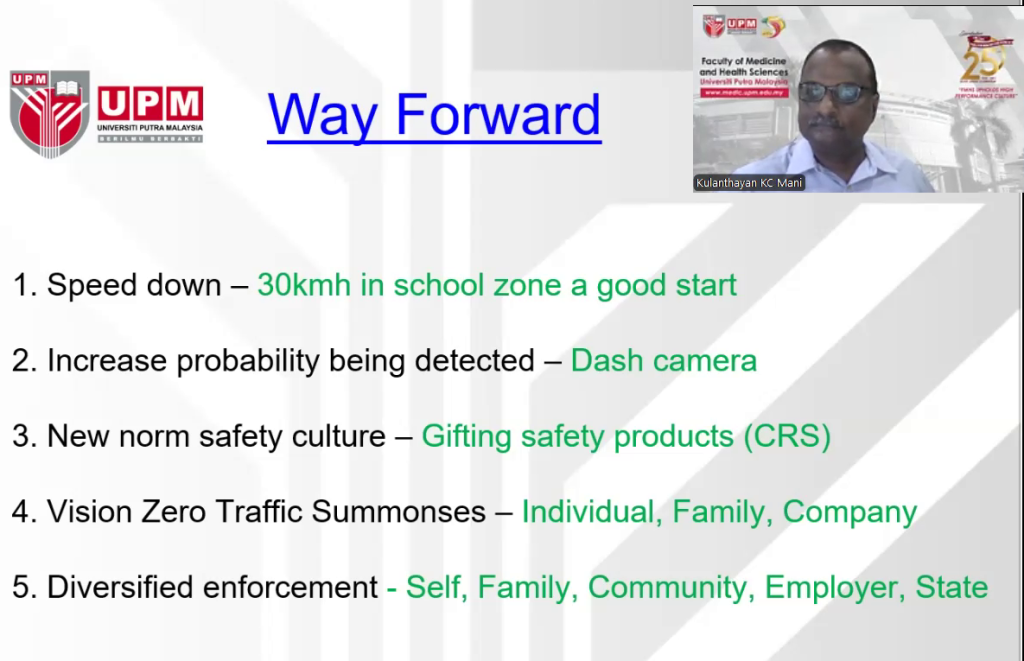
From a scientific and academic perspective, Dr. Kulanthayan Mani of the University of Putra Malaya presented alarming data on the preventability of road crashes. Dr. Mani urged journalists to stop using the word “accident,” which implies an unavoidable act of fate, and instead use “crash” or “collision,” reflecting that most incidents are the result of specific, addressable risks.
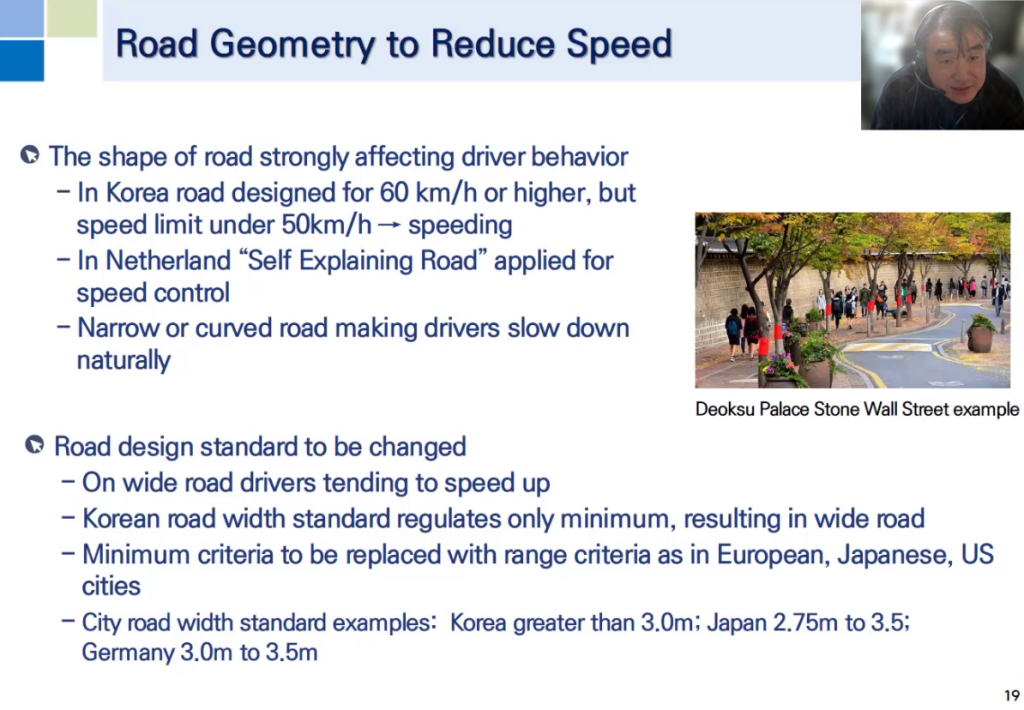
The technological frontier was explored by Dr. Wu Sueng Kook, Head of Road Transport Research in South Korea. Dr. Wu provided a look at how data-driven research and smart city technologies are reducing fatalities in Korea, offering a roadmap for how media can report on successful policy interventions.
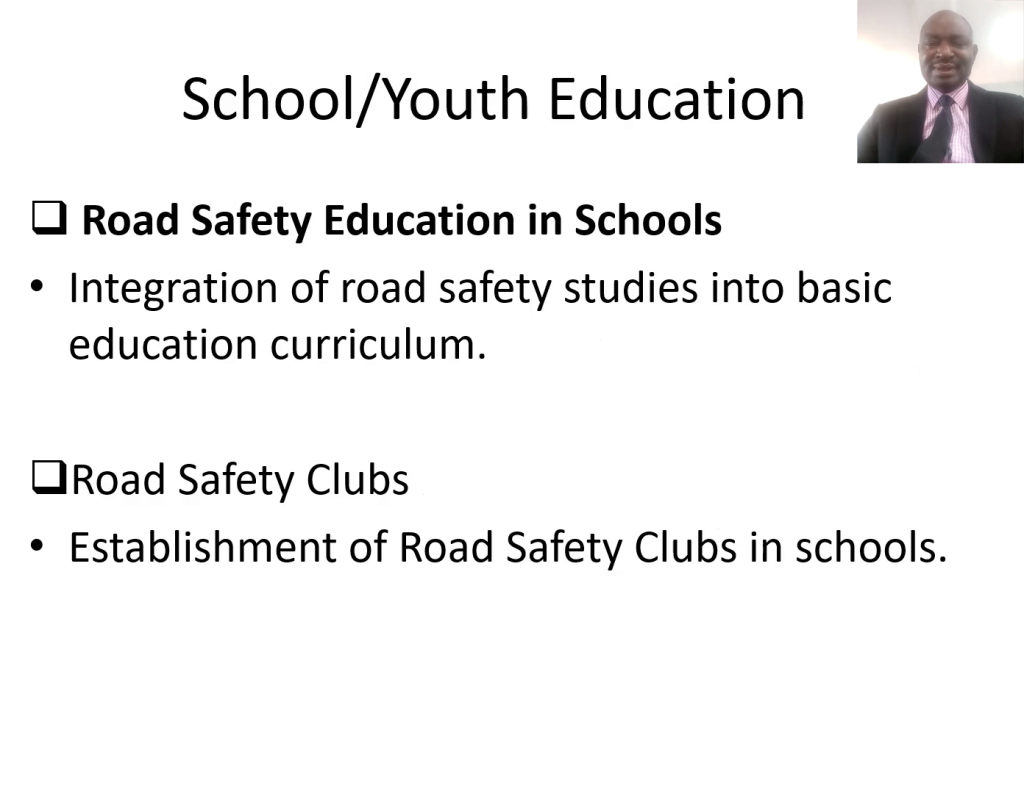
The legal dimensions of road safety were addressed by Barrister Stephen Ichukwu, a legal officer with the Federal Road Safety Corps of Nigeria. Ichukwu provided an overview of the legal hurdles and enforcement challenges in West Africa, emphasizing that media scrutiny is essential for ensuring that road safety laws are not only passed but strictly enforce
Global Media Experts Call for Evidence-Based Reporting to Combat Road Fatality Crisis
Media practitioners from more than 41 countries from Asia Pacific
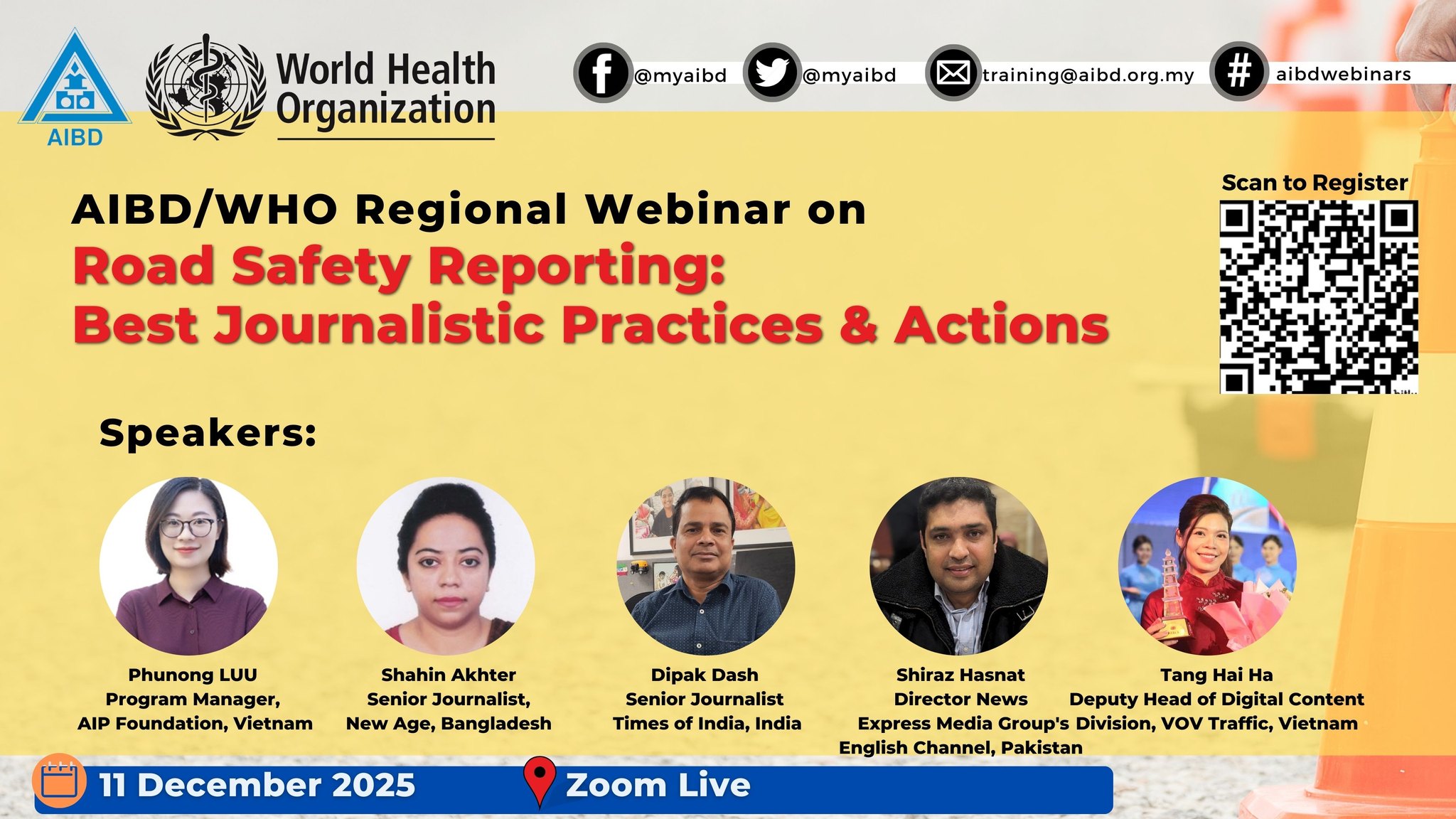
AIBD-WHO Webinar on Best Journalistic Practices on Road Safety Reporting
Regional media professionals from across Asia gathered virtually on Dec.
Road Safety Reporting: Solution Journalism and Regional Issues
In a critical push to reshape how the world views
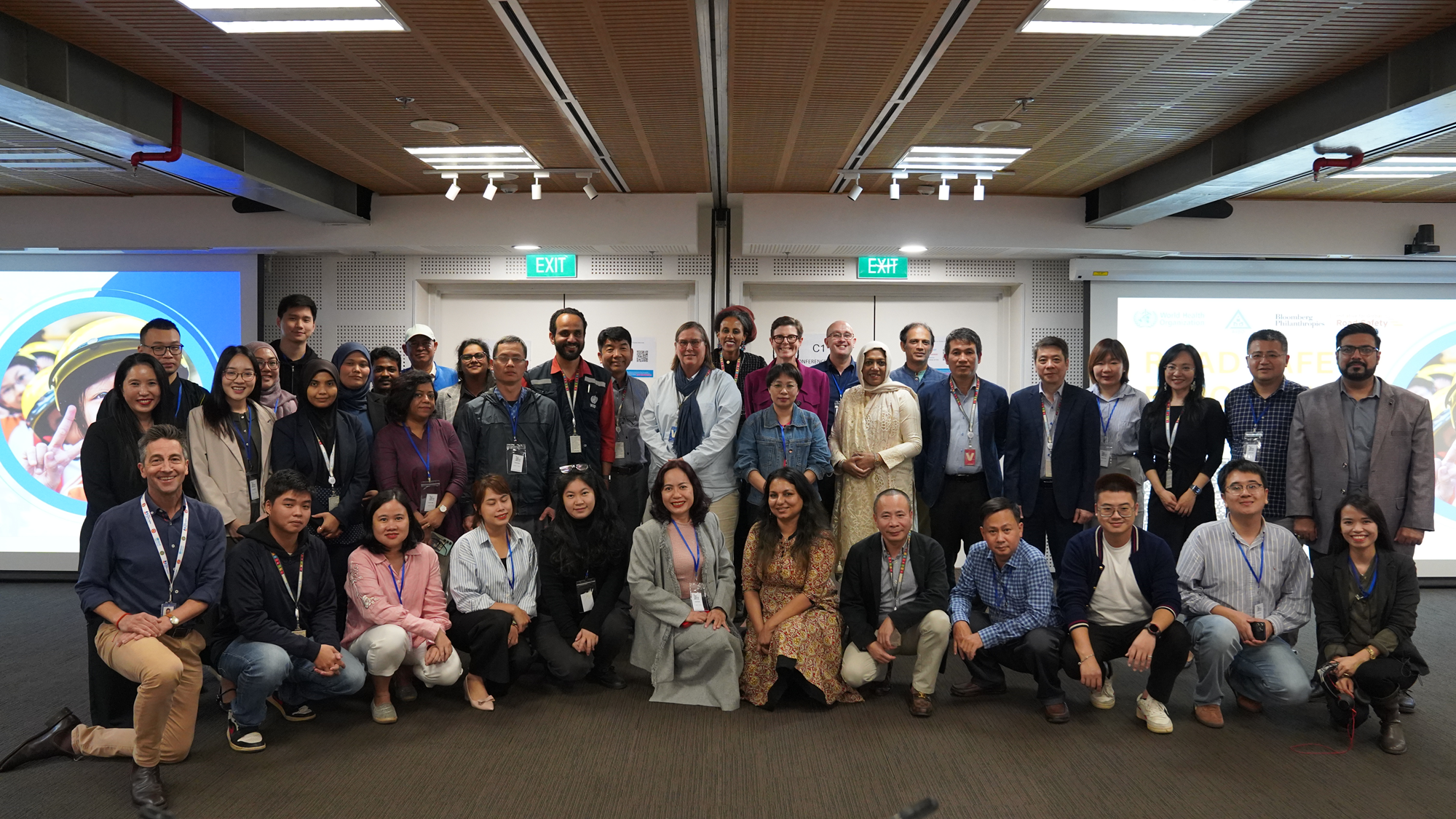
Reporting to Save Lives: AIBD–WHO Regional Workshop on Road Safety Reporting, Hanoi
Hanoi, Viet Nam | 3–5 November 2025: Journalists from five
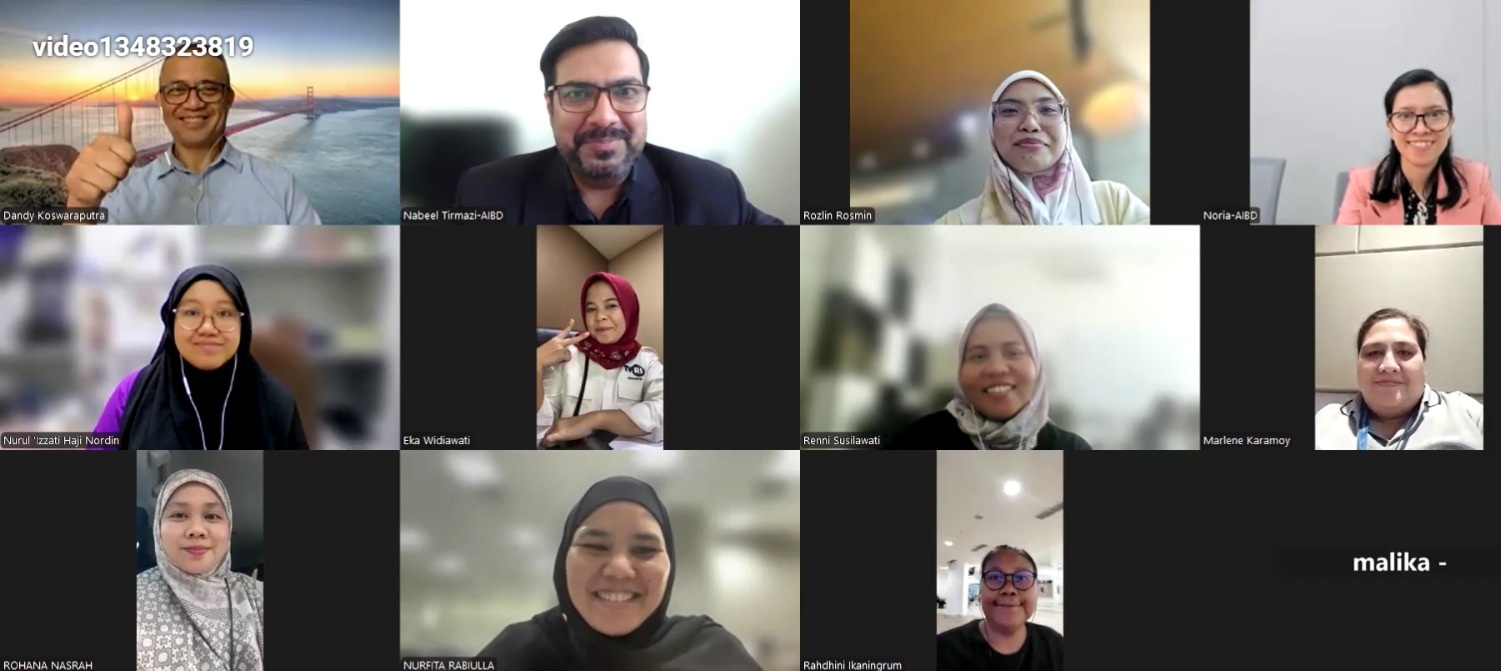
AIBD–UNESCO Launch Regional Safety Initiative Across Southeast Asia
Nabeel Tirmazi and Naing Naing Aye 15 October 2025 Empowering women journalists
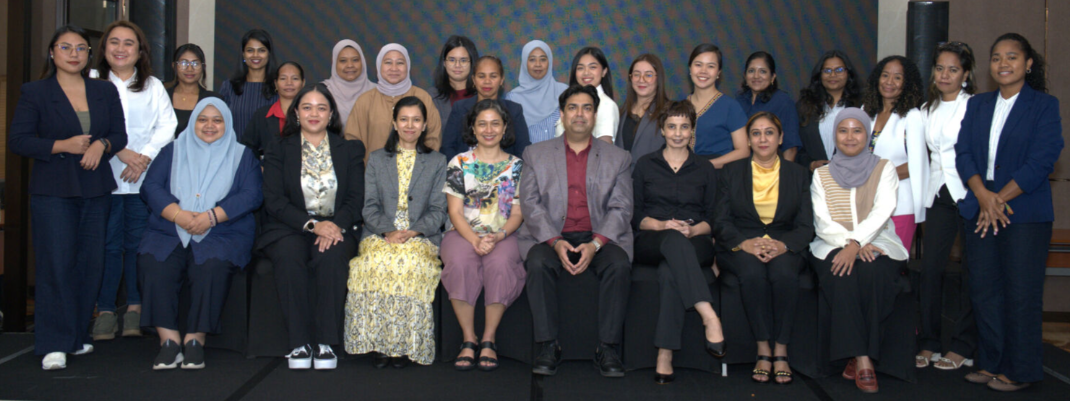
AIBD and UNESCO Launch Regional Training for Women Journalists on Crisis Reporting
KUALA LUMPUR, 5 August 2025: AIBD in collaboration with UNESCO
Driving Sustainability: E-Waste Management Solutions for the Broadcasting Industry
The broadcasting industry thrives on innovation, but behind every upgrade

Radio’s Critical Role in Climate Crisis Highlighted at AIBD Summit
By Nabeel Tirmazi As climate disasters escalate, radio continues to be
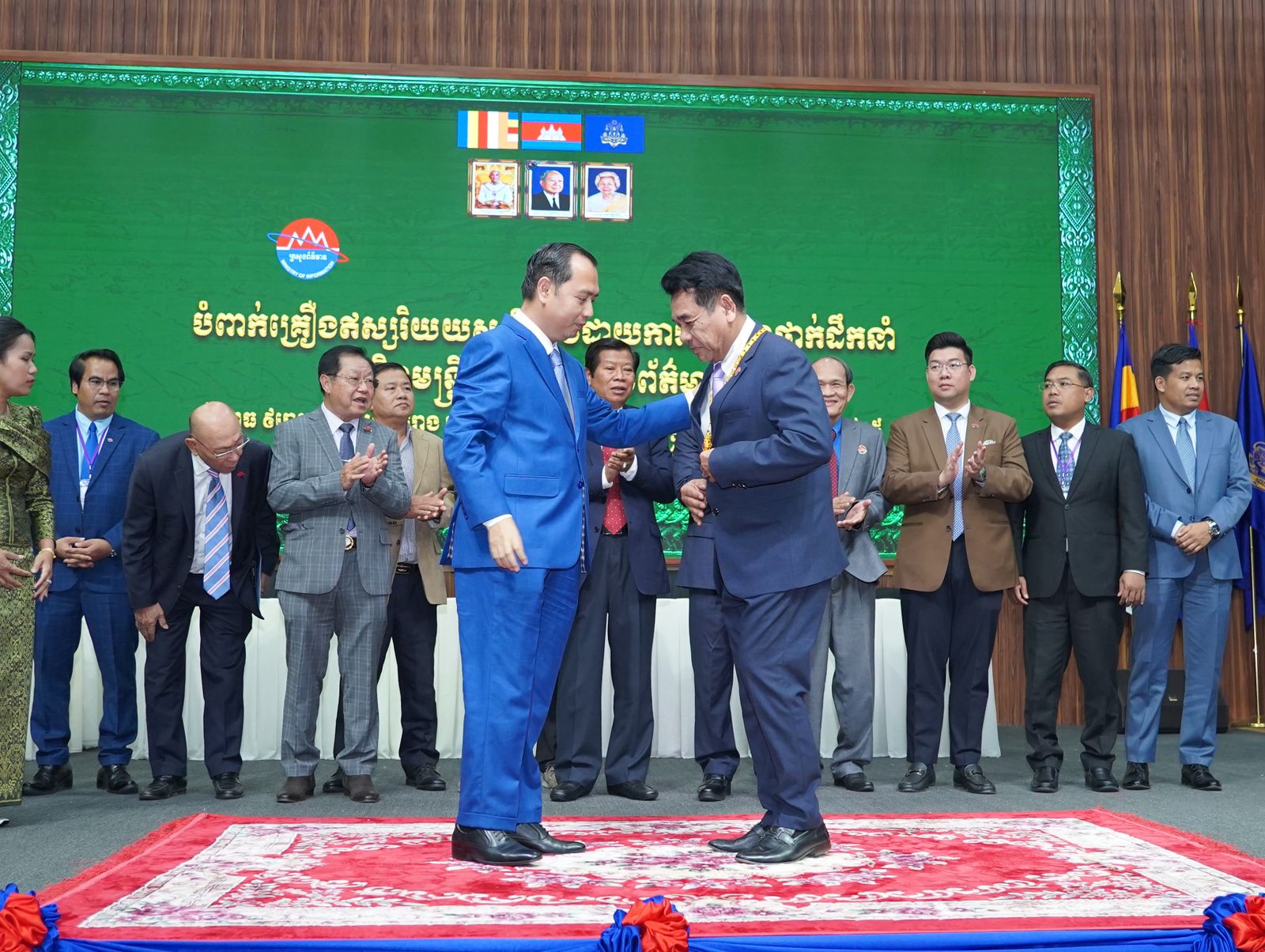
AIBD Vice President Honored with Prestigious Award in Cambodia
H.E. Has Sam Ath, Vice President of the Asia-Pacific Institute
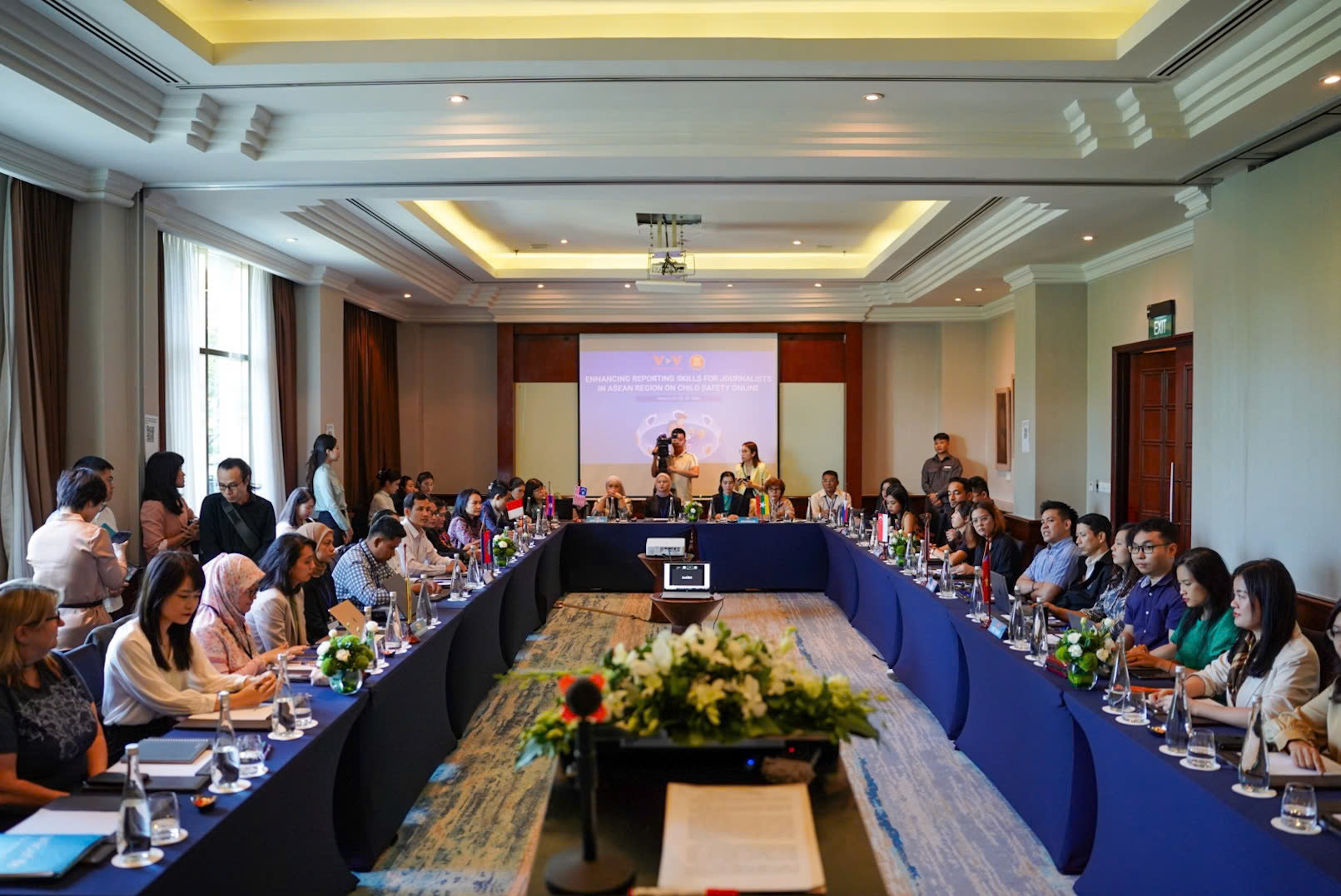
Enhancing Journalistic Competence in Child Online Protection Across ASEAN
Hanoi, 3 October 2023 – To improve journalistic reporting on