



AIBD–UNESCO Launch Regional Safety Initiative Across Southeast Asia
Nabeel Tirmazi and Naing Naing Aye
15 October 2025
Empowering women journalists to cover crises safely, ethically, and with psychological resilience lies at the heart of a new regional initiative by the Asia-Pacific Institute for Broadcasting Development (AIBD) and UNESCO, supported by the International Programme for the Development of Communication (IPDC). The initiative builds on UNESCO’s Safety of Journalists Guidelines and tailors them to Southeast Asia’s complex media landscape.
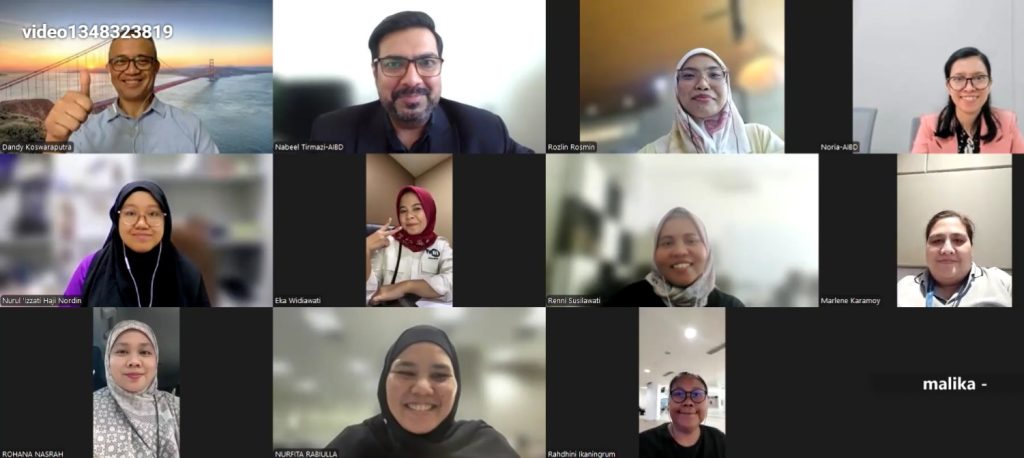
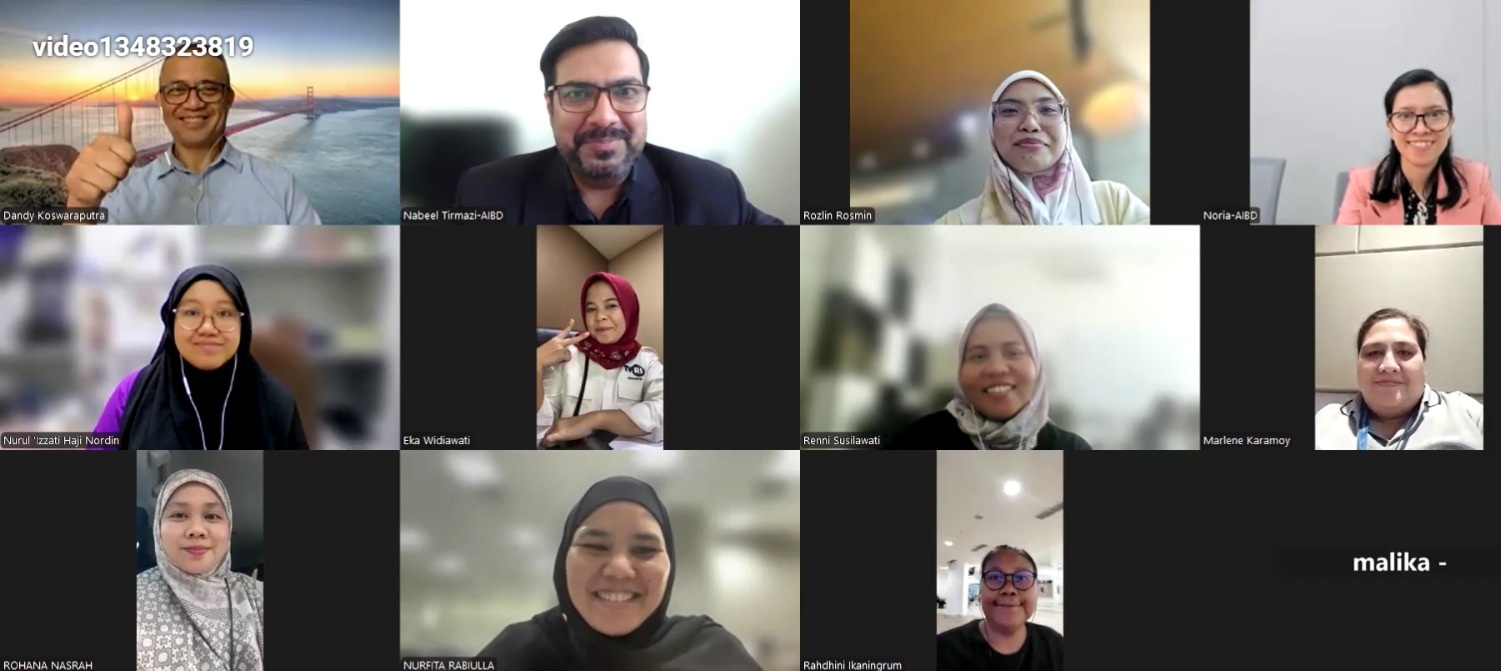
The project, implemented in 2024–25, brings together women journalists (frontline reporters, editors, and digital journalists) from Malaysia, Brunei, Indonesia, Timor-Leste and the Philippines for intensive training in crisis reporting, safety and psychosocial wellbeing. The regional workshops under this grant have been hosted in locations such as Kuala Lumpur and Bandar Seri Begawan, drawing participants from across the five target countries to strengthen their skills in reporting from disaster zones, conflict situations and other high‑risk environments.
Training Journalists Where Risk Is Real
A core objective is to equip women journalists with practical tools to assess risk, protect themselves in the field and handle trauma, both personally and in the communities they cover. “It’s not just about physical safety. Women reporters are often targeted with gender-specific harassment—both in the field and online” said Mr. Dandy Koswaraputra, a veteran Indonesian journalist and lead trainer, during a preparatory discussion with participants.
A Holistic Approach to Safety
Rather than treating safety as solely physical, the curriculum adopts a three-pillar safety model:
- Physical (field preparedness, go-bag essentials, situational awareness),
- Psychosocial (stress management, peer support, trauma resilience), and
- Digital (secure communications, countering online harassment, verifying crisis content).
“Mental readiness is just as critical as a bulletproof vest,” emphasized Ms. Jackie Viemilawati, clinical psychologist and mental wellness expert, who leads sessions on emotional resilience. Participants from TVRI Indonesia, Metro TV, and RTB Brunei have already committed to integrating mental health check-ins and safety buddy systems into their newsrooms.
Gender, Ethics, and Institutional Change
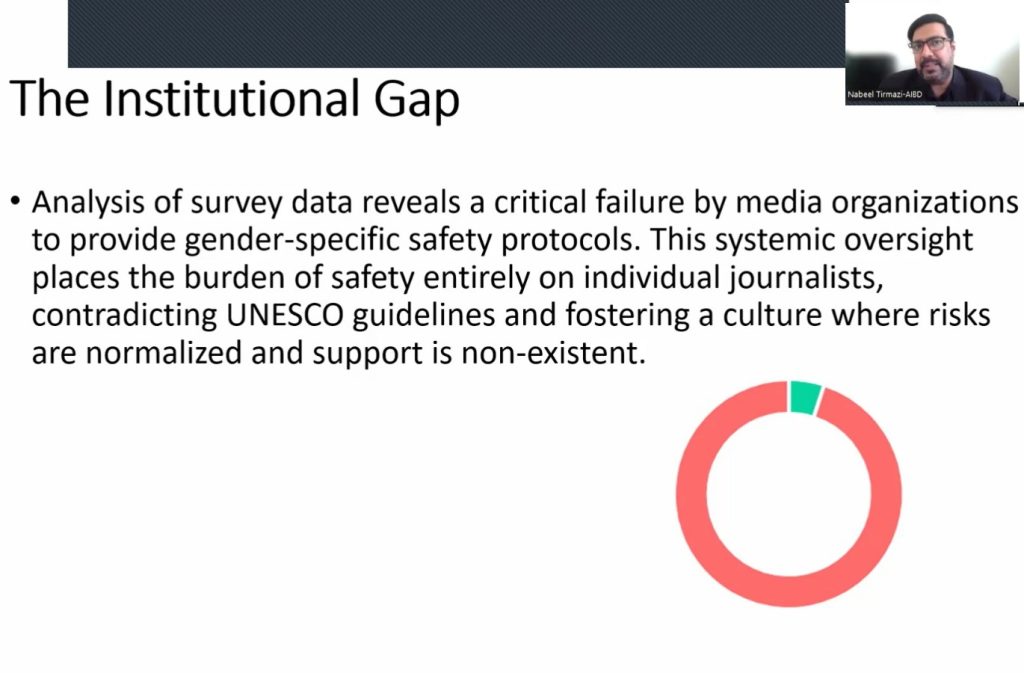
The project directly confronts the gendered dimensions of crisis reporting. As noted in pre-workshop discussions, many news organizations in the region still lack gender-sensitive safety protocols. Only a few—like KBR Indonesia and TVRI—reported having any formal guidelines, though their effectiveness remains uneven.
“The goal isn’t just individual empowerment,” said Mr. Syed Nabeel Hassan Tirmazi, Senior Programme Manager at AIBD. “We’re equipping women journalists to return to their newsrooms as change agents—advocating for policies that protect female reporters, redesigning editorial workflows, and ensuring trauma-informed practices become standard.”
Building a Regional Network of Support
Beyond skills, the workshops foster a cross-border peer network. Journalists from Sabah, Sarawak, East Java, Dili, Mindanao, and Bandar Seri Begawan are sharing experiences, safety tools, and mentorship strategies. “We wear many hats—TV, radio, online—and often work alone in remote postings,” said Ms. Rohana of Bernama Sabah. “The upcoming regional training will remind us we’re not alone.”
In a region where crises are increasingly frequent and complex, this initiative represents a critical step toward ensuring that women journalists are protected, prepared, and empowered—not just to report the news, but to shape safer newsrooms for everyone.