



Regional Webinar on Prevention of Sexual Harassment in Workplace, and Psychosocial Wellbeing Organized
By Naing Naing Aye
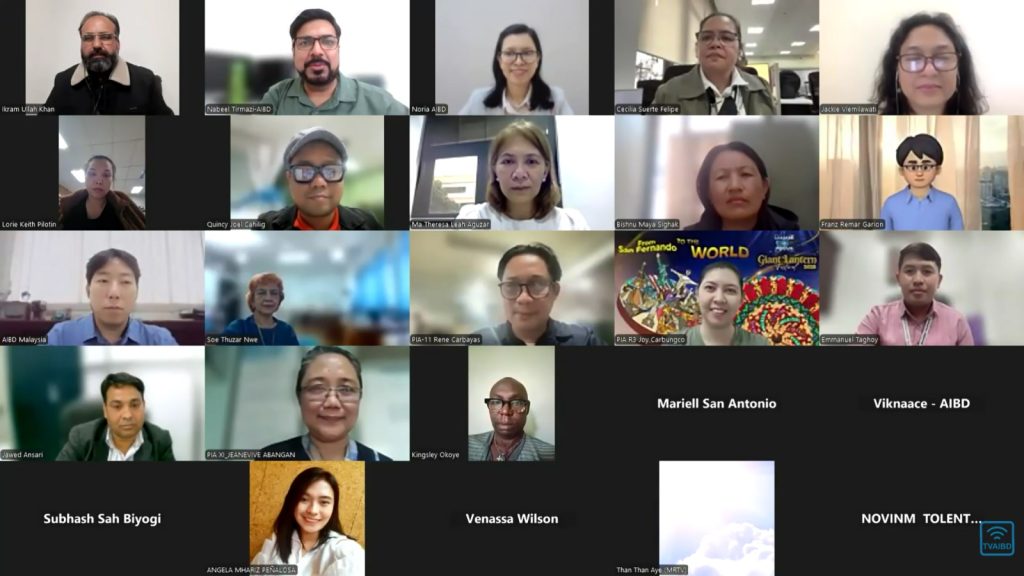
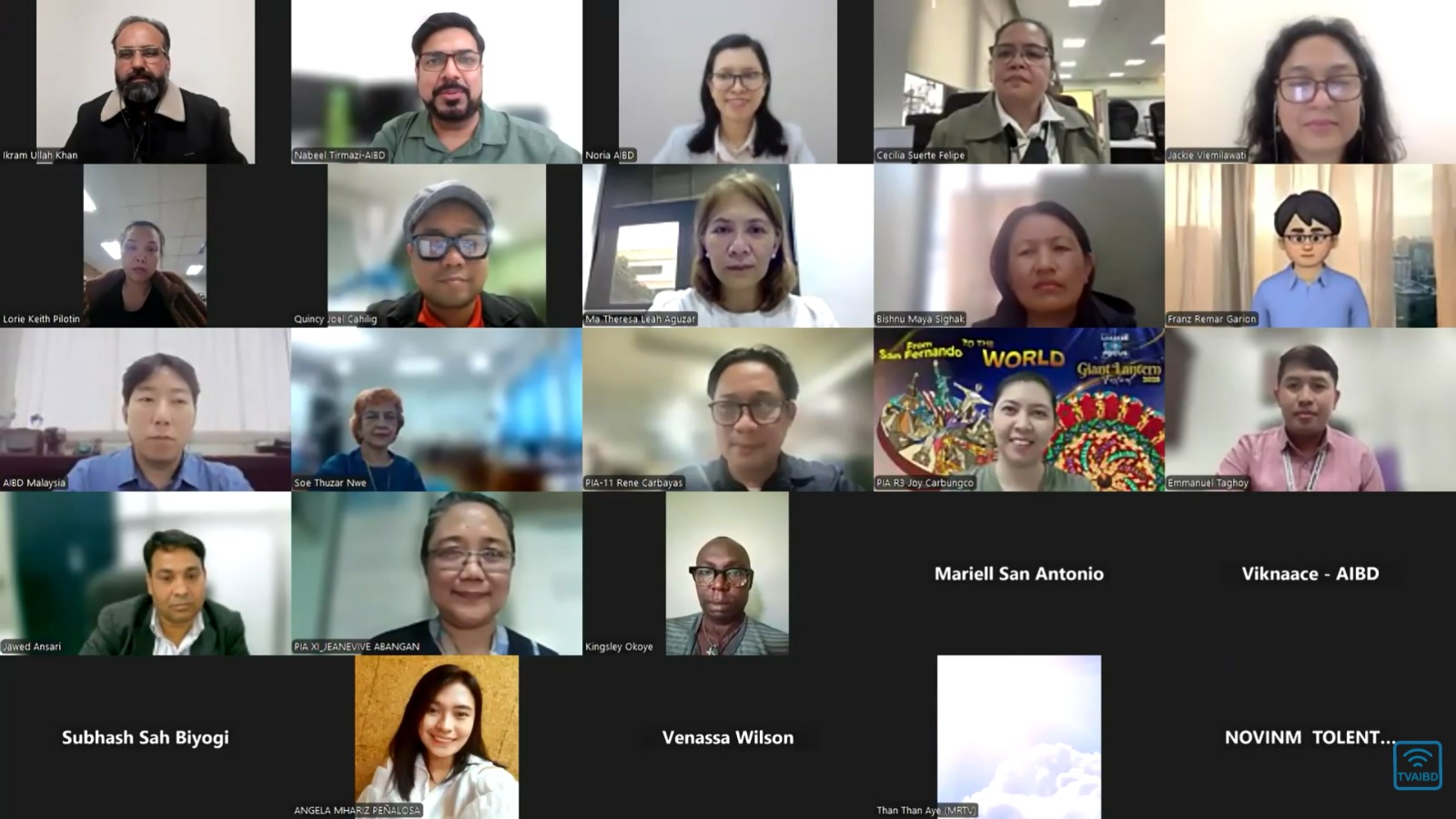
Kuala Lumpur, 15 December 2025: The Asia-Pacific Institute for Broadcasting Development (AIBD) successfully held a regional webinar on 10 December 2025 titled “Safety of Women Journalists: Prevention of Sexual Harassment in the Workplace and Psychosocial Wellbeing”, under the UNESCO International Programme for the Development of Communication (IPDC).
The webinar formed part of the follow-up online engagement activities of the AIBD/UNESCO IPDC project “Empowering Women Journalists in Crisis Reporting.” While the core project targeted participants from five countries—Malaysia, Indonesia, the Philippines, Timor-Leste, and Brunei Darussalam—AIBD also opened the webinar to broader participation from its member organizations across the region.
The webinar opened with a presentation by Mr. Nabeel Tirmazi, Senior Programme Manager at AIBD, who explained a background of the broader AIBD/UNESCO IPDC initiative and shared key findings of AIBD survey on women in media. His data-driven analysis revealed systemic gaps in institutional support for safety of women journalists, and limited access to mental health resources. The project aimed to bridge policy and practice by addressing power dynamics, reporting mechanisms, bystander responsibility, and response frameworks.
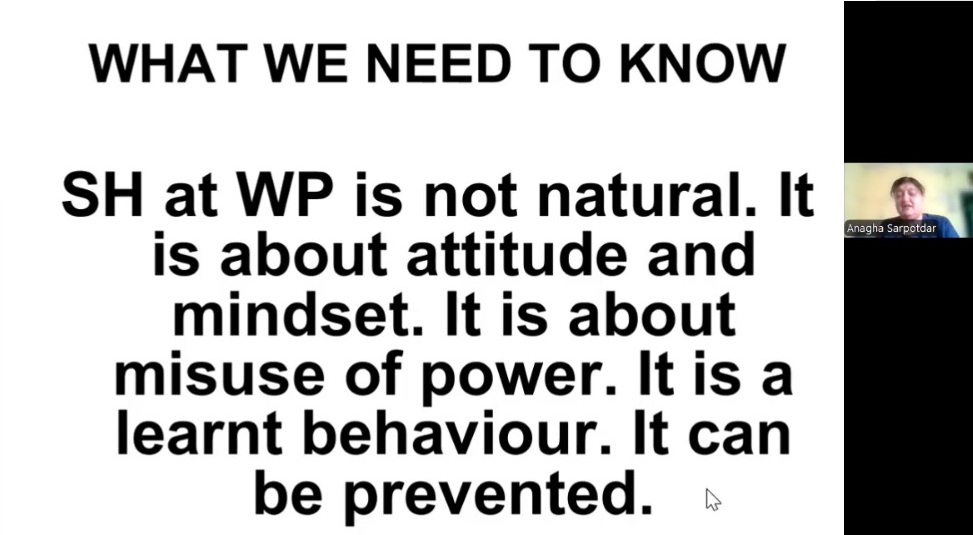
Dr. Anagha Sarpotdar, one of the leading experts on workplace sexual harassment from India, delivered a compelling session through real-world case studies. She stressed the necessity of organizational compliance with sexual harassment policies from boundary-setting and documentation to navigating internal grievance mechanisms. She also highlighted the collective responsibility of colleagues, managers, and institutions to foster zero-tolerance environments.
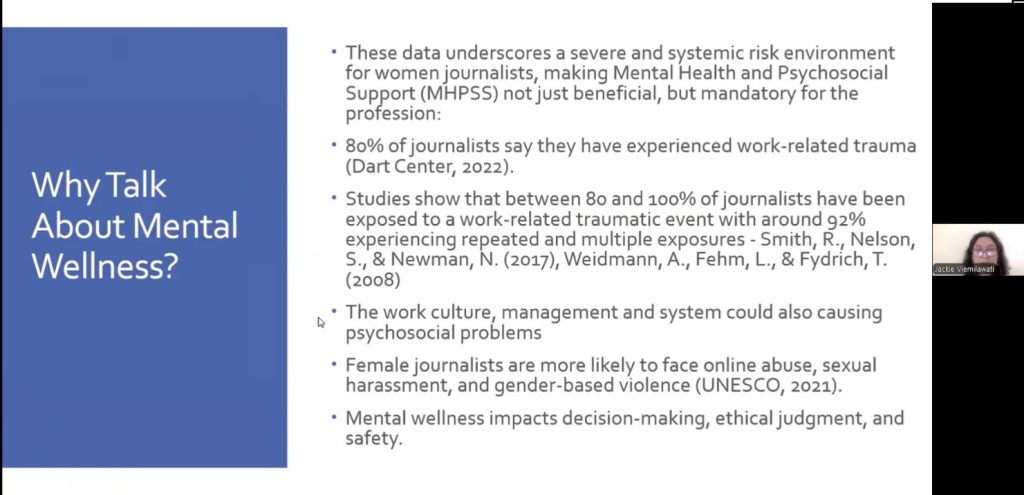
Later, Ms. Jackie Viemilawati, a clinical psychologist and mental wellness expert from Indonesia, led an interactive session on psychosocial wellbeing and trauma-informed self-care. Citing studies showing that 80–100% of journalists experience work-related trauma, and that women face disproportionate risks of online abuse and gendered violence.
She presented a biopsychosocial model of resilience. Participants practiced evidence-based techniques including Box Breathing (4-4-4-4), the 5-4-3-2-1 Grounding Method, and the Butterfly Hug—all designed for rapid emotional regulation in high-stress settings. She also emphasized the importance of peer support networks, safety buddies, and organizational policies that normalize mental health check-ins and post-assignment debriefs.
Each session concluded with the question-and-answer segment. The feedback from attendees after the webinar was overwhelmingly positive with many describing the sessions as “very helpful,” and expressing appreciation for the practical, actionable insights shared.