



Road Safety Reporting: Solution Journalism and Regional Issues
In a critical push to reshape how the world views traffic fatalities, AIBD in collaboration with WHO launched its regional webinar series on Dec. 4, 2025 on road safety reporting.
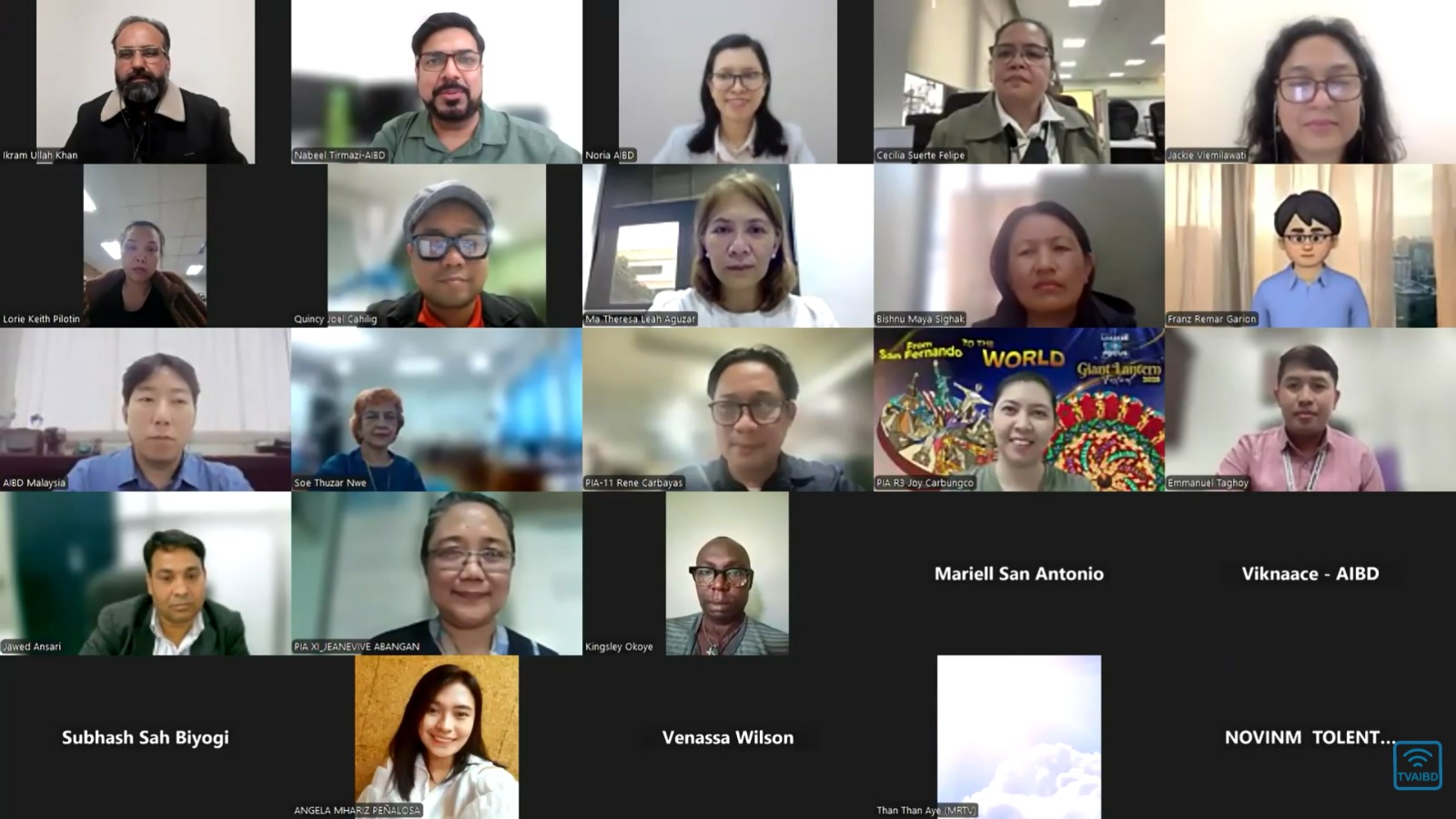
The event drew 71 media professionals from across the Asia-Pacific region, signalling an urgent recognition that road traffic deaths, often dismissed as “accidents”, represent one of the most significant yet preventable public health crises of the modern era.
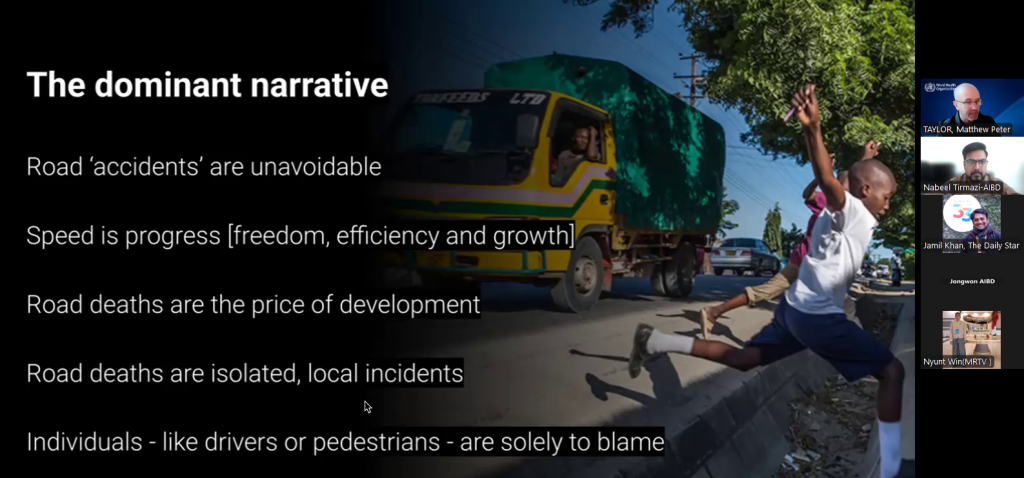
Matthew Taylor, a leading communication specialist from the WHO, delivered a keynote presentation that challenged journalists to move beyond surface-level reporting. Taylor emphasized that the language used by the media plays a pivotal role in how the public and policymakers perceive road risks.
“Language matters,” Taylor told the attendees. “When we call a crash an ‘accident,’ we imply it was an act of fate that could not be avoided. But data shows that the vast majority of these incidents are the result of systemic failures and human behaviours that can be mitigated through policy and infrastructure.”
The webinar focused on three primary pillars: data-driven storytelling, the humanization of statistics, and the promotion of the “Safe System” approach. This approach shifts the burden of safety from the individual road user to a shared responsibility between road designers, vehicle manufacturers, and government regulators.
Road traffic injuries are currently the leading cause of death for children and young adults aged 5–29 years worldwide. Despite this, experts at the session noted that road safety often struggles to remain in the news cycle compared to infectious diseases or political upheavals.
To combat this “fatigue,” Taylor urged media professionals to investigate the underlying causes of crashes, such as poor lighting, lack of pedestrian infrastructure, and inconsistent enforcement of speed and alcohol laws.
The December session is part of a broader collaboration between AIBD and the WHO, aimed at building a sustained network of “safety-literate” journalists. As the webinar concluded, the call to action was clear: media professionals must transition from being mere chroniclers of tragedy to being catalysts for life-saving change.
“Our goal is not just more coverage,” Taylor said. “It is better coverage that holds systems accountable and ultimately keeps people alive.”