




The broadcasting industry thrives on innovation, but behind every upgrade lies a growing environmental challenge: mountains of discarded equipment collecting dust in storage rooms. AIBD recently addressed this crisis through a regional webinar titled “E-Waste Management Solutions and Sustainable Practices in Content Production,”.
In 2023, the world generated 63 million metric tons of electronic waste, with 75% never properly recycled. Current trends suggest this will reach 100 million metric tons within years. A pre-event poll revealed the industry’s alarming practices: 50% of participating broadcasters store old equipment in warehouses without disposal plans, 27% have no formal disposal process, and nearly 60% lack written e-waste policies.
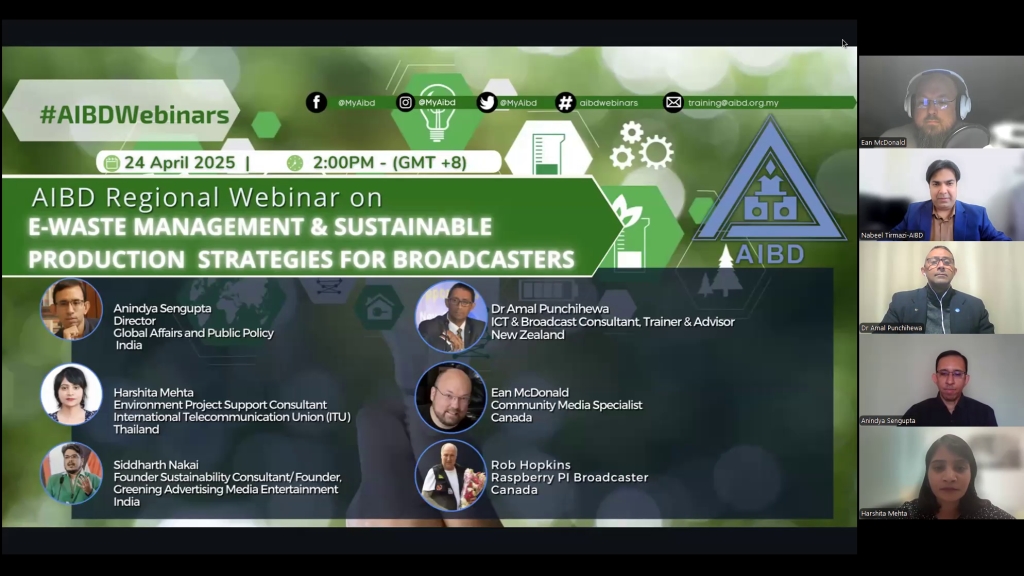
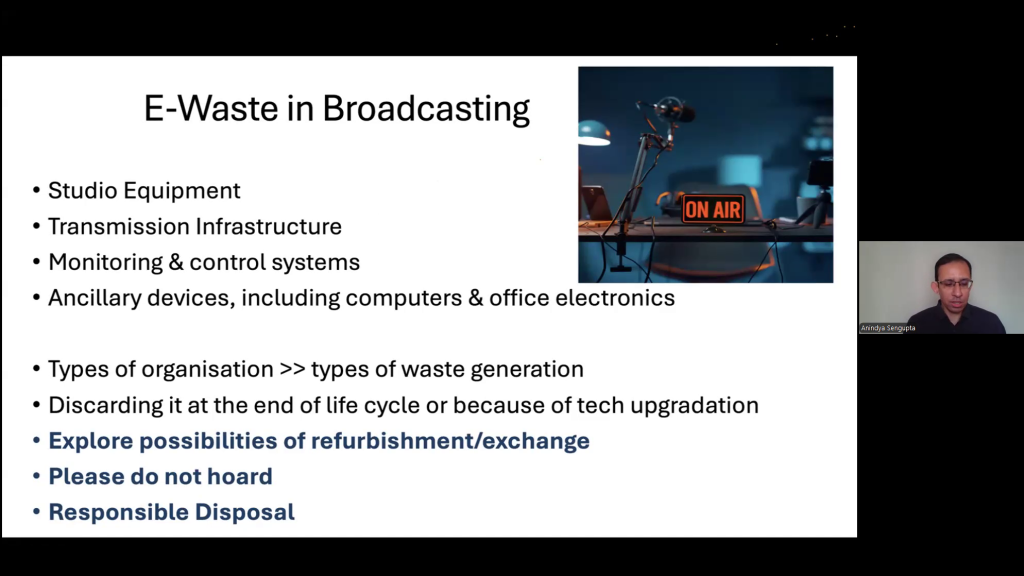
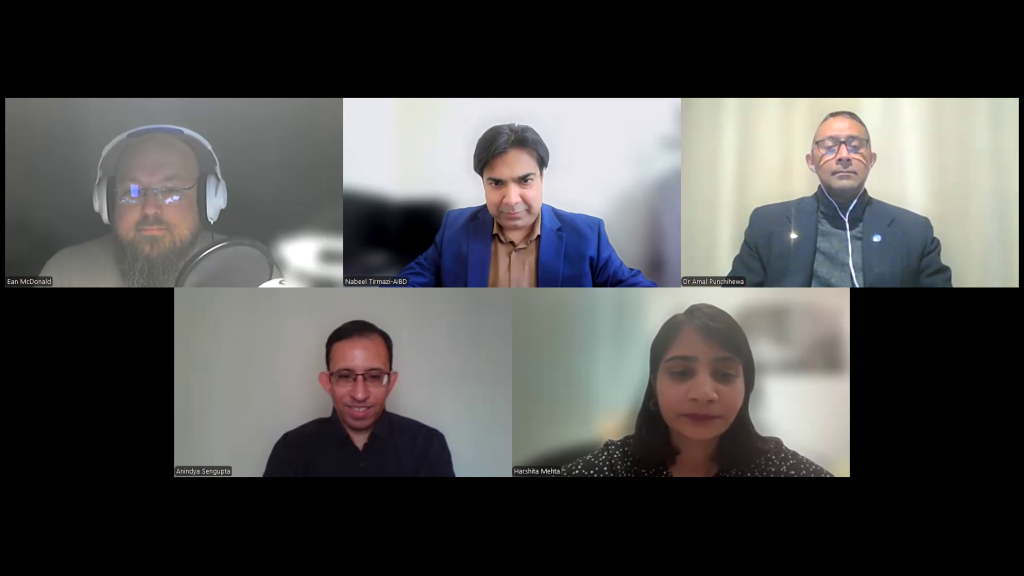
Moderator Anindya Sengupta, a public policy expert from India, set the tone by highlighting how equipment is often replaced long before end-of-life, not because it’s broken, but because technology has moved forward. This early discard contributes to a toxic cycle, especially in countries where informal sectors handle e-waste through dangerous burning or unregulated dismantling, causing pollution and severe health issues.
AIBD Programme Manager Nabeel Tirmazi highlighted that while e-waste is widely discussed in tech circles, it’s strangely absent from broadcasting conversations. The initiative began two years ago at the Asia Media Summit in Bali, with urgency only growing since.
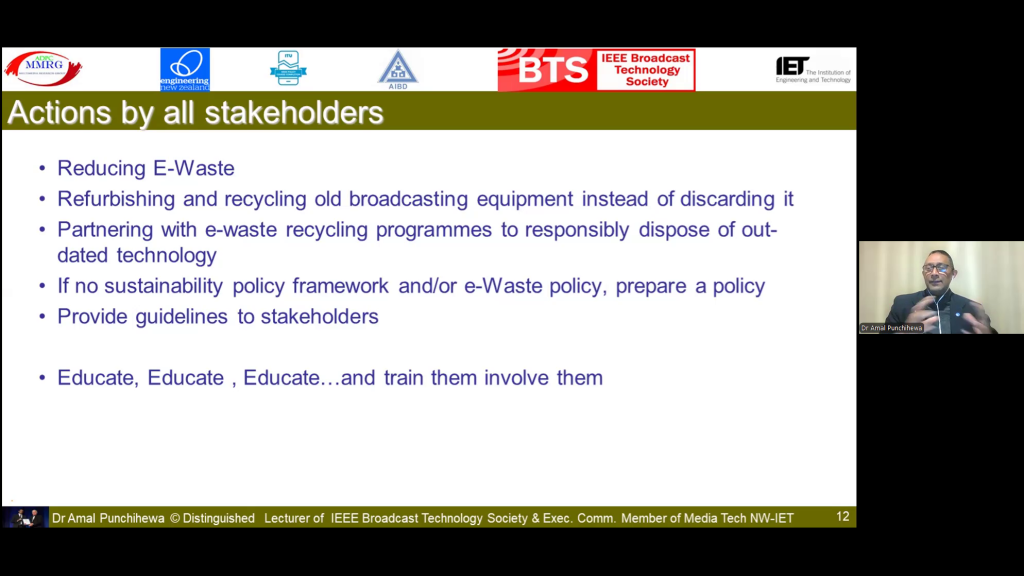
Dr. Amal Punchihewa, broadcasting engineer from New Zealand provided structured solutions, emphasizing that e-waste management should be viewed like any sustainability practice. He advocated for policies promoting repair over replacement and highlighted international standards like ITU-T L-series and EBU’s “green production” guidelines. He cited New Zealand’s Waste Minimization Act of 2008 as a successful model, particularly in managing discarded cathode-ray TVs during the analog-to-digital transition, and emphasized emerging “right to repair” legislation requiring manufacturers to make products easier to fix.
Ean McDonald from Computers for Schools Yukon, Canada demonstrated practical reuse strategies, sharing how his organization trains youth to refurbish donated computers using lightweight operating systems like Linux. These refurbished machines, some over 10 years old, power community radio stations like CJUC in Whitehorse.

Rob Hopkins, community media specialist from Canada brought grassroots innovation, describing his work with indigenous communities in remote northern Canada building analog radio systems from recycled parts. His journey from self-taught scavenger to community enabler showed that reuse isn’t just possible, it’s smart, cost-effective, and community-oriented.
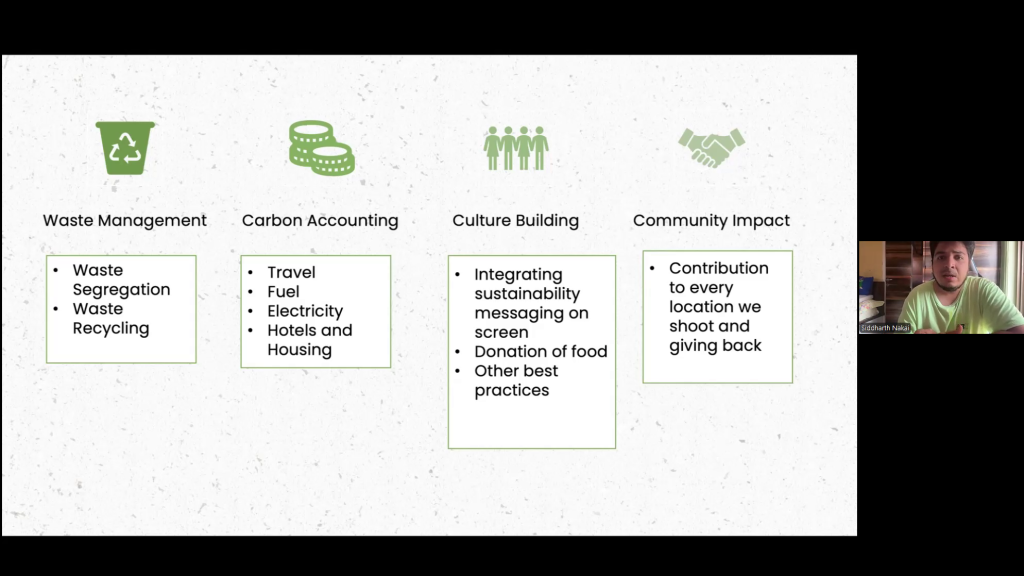
Siddharth Nakai, Sustainability Consultant for many media outlets in India shifted focus to content production through his Greening Advertising Media Entertainment (GAME) initiative. He explained that e-waste extends beyond tech rooms to on-set waste, batteries, lighting equipment, props, and costumes discarded after shoots. His approach maps the entire production cycle, identifying intervention points like switching to rechargeable batteries or repurposing equipment. He also highlighted broadcasting’s unique position in promoting environmental values through storytelling, citing campaigns featuring renowned Indian actor Amitabh Bachchan that embedded sustainability directly into viewer experiences.
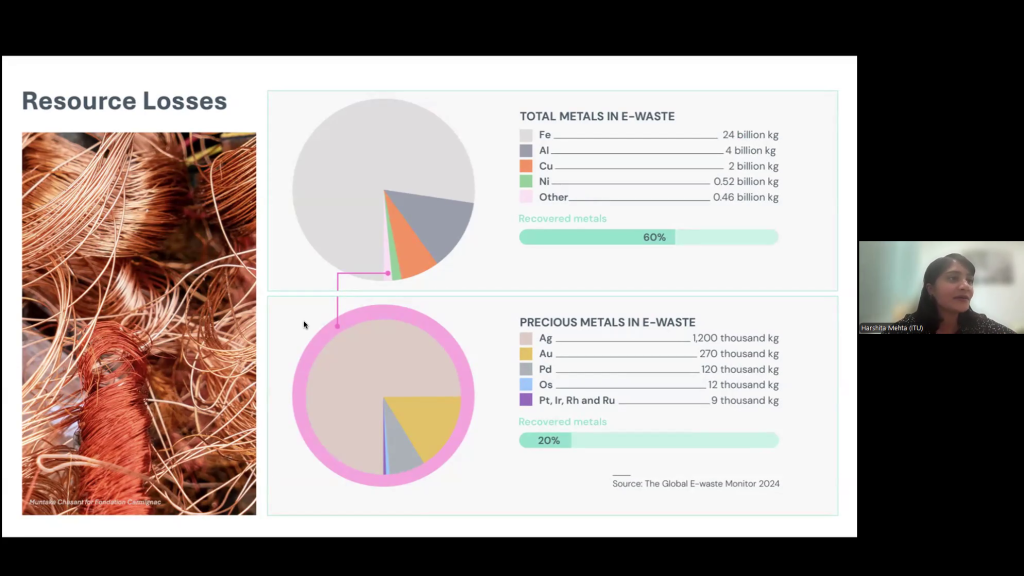
Harshita Mehta from ITU Thailand provided crucial data from the 2024 Global E-Waste Monitor, revealing that while e-waste production increased 82% since 2010, only 22% is recycled formally. Low- and middle-income countries face significant barriers in infrastructure and policy enforcement, with transboundary dumping remaining a serious concern as high-income countries export electronics to areas lacking proper management facilities.
The speakers outlined clear action points for broadcasters:
Extend Equipment Life: Prioritize repair, refurbishment, and exchange over replacement. If equipment can be fixed, do it.
End Warehouse Hoarding: Stop accumulating obsolete equipment. Either donate to responsible refurbishers or dispose through certified recycling vendors.
Develop Formal Policies: Create comprehensive e-waste policies integrated into organizational sustainability goals.
Leverage Influence: Use broadcasting’s power to shape public behavior by integrating eco-friendly messages into content when possible.
Collaborate with Manufacturers: Push for products designed for longevity and easy repair, advocating for modular designs and comprehensive take-back programs.
One of the most compelling arguments presented was economic: billions of dollars worth of recoverable metals like copper, gold, cobalt, and rare earth elements are lost in dumped electronics. Responsible recycling protects the planet while tapping into hidden value, making e-waste management both environmentally and economically beneficial.
The participation of 74 professionals from 21 countries demonstrates growing recognition that the industry must address its environmental impact. The technical solutions exist, the economic case is clear, and the global community is ready to act. What remains is transforming these insights into sustained action across the global broadcasting ecosystem, ensuring the industry can continue to innovate without compromising the planet it depends on.
Driving Sustainability: E-Waste Management Solutions for the Broadcasting Industry
The broadcasting industry thrives on innovation, but behind every upgrade
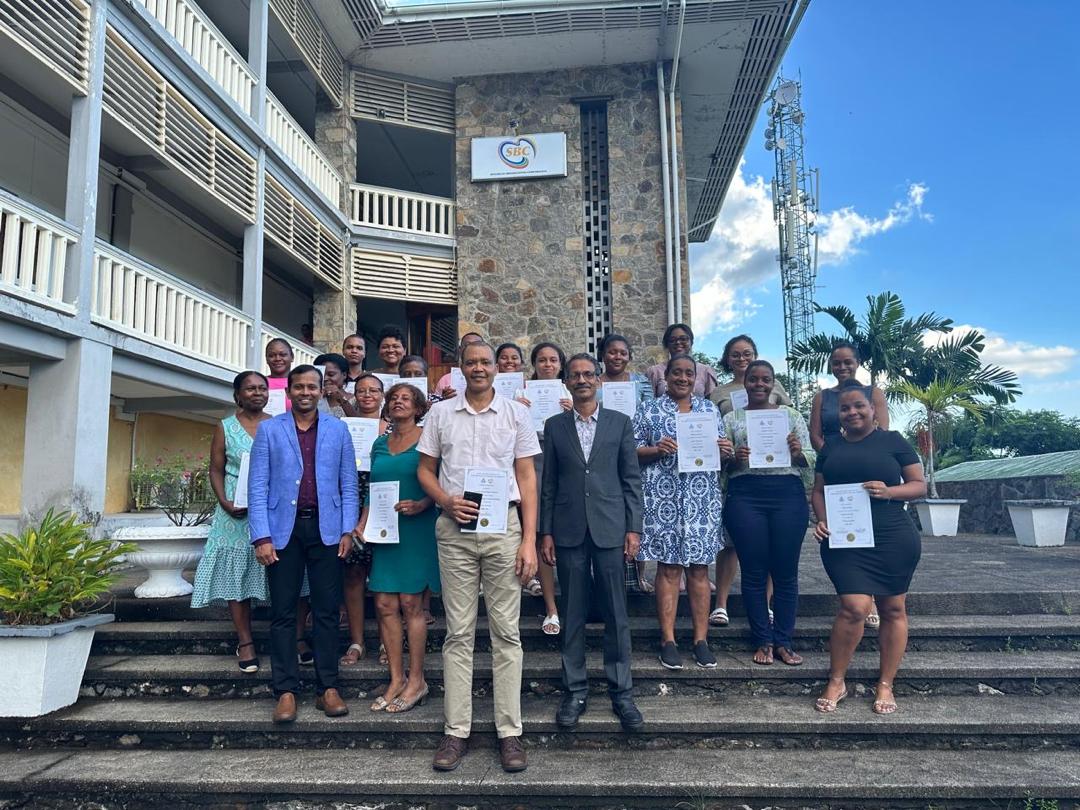
Empowering Election Reporting for National Broadcasters Ahead of Seychelles’ 2025 Elections
9–11 April 2025, Victoria Ahead of Seychelles’ 2025